AFRICA’S VOICE IN GLOBAL SCIENCE COMMUNICATION: DR FELIX ALE TO SPEAK AT 2026 WORLD CONFERENCE IN CANADA
The global community of science journalists and communicators will converge in Montreal, Canada, from June 16–18, 2026, for the prestigious Global Conference of Science Writers and Communicators of Canada.
This year’s theme, “Discovery, Dialogue, Decision: Navigating Complexity to Make Sense of Science”, will explore how science communication bridges the gulf between technical language and public understanding, turning uncertainty into dialogue and knowledge into informed decisionmaking.
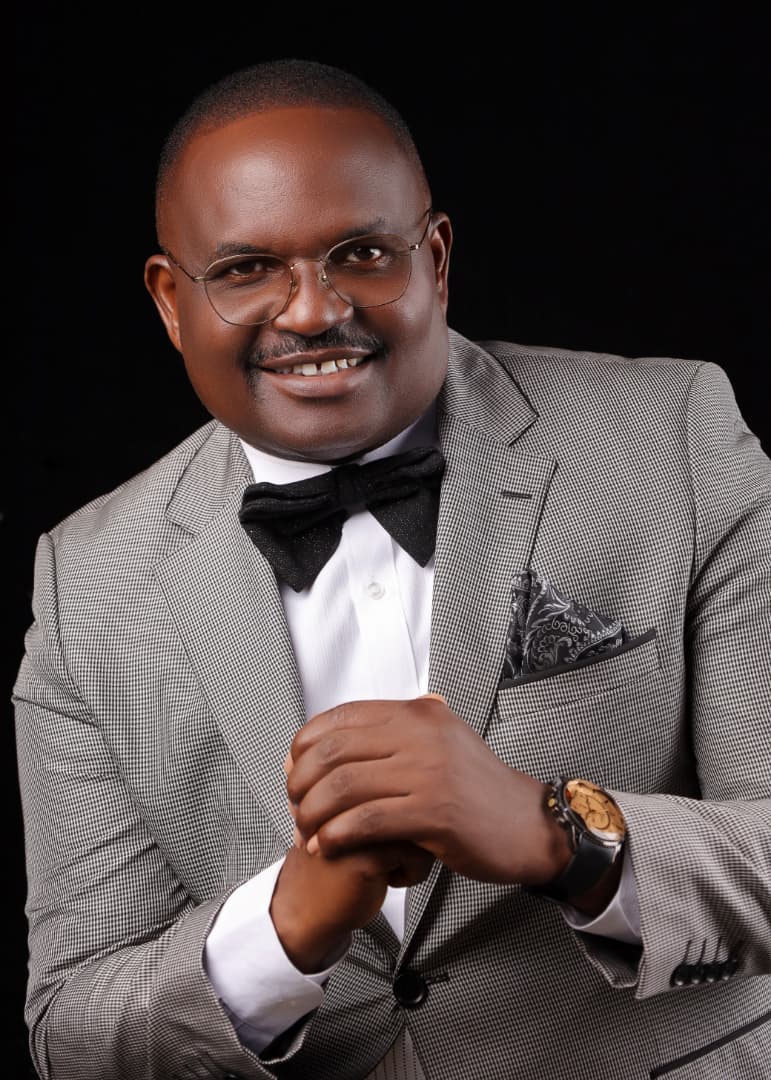
Among the distinguished guest speakers is Dr. Felix Babatunde Ale, one of Africa’s frontline journalists, broadcasters, communication experts, and media scholars. Dr. Ale, who serves as Director of Media and Corporate Communication and Spokesperson of Nigeria’s National Space Research and Development Agency (NASRDA), will deliver a presentation entitled “Voices from the Global South.”
His paper will draw on Nigeria’s success story with NASRDA—Africa’s leading space agency—to challenge assumptions about who science communication is for, positioning Africa not as a passive recipient of knowledge but as an active partner in shaping the future of science.
Dr. Ale’s participation is particularly historic as he is the only speaker from Africa at the 2026 global forum.
This marks his second recognition at the annual gathering, the first being in 2018 at Toronto, where he delivered an intellectual paper on “Social Media and the Human Society: Africa as a Case Study.”
Other notable speakers include Encieh Erfani (Void of Voids), Jax Jacobsen (Why Science Communication is the Backbone of Modern Democracy), Serena Bianchi (The Writing Brain in the Age of Generative AI), Mirjam Guesgen (Teaching Media Literacy, Critical Thinking and Science Communication in the Age of AI), and Ray Mahoney (Codesigning and Communicating Science and Research with Indigenous Communities in Australia).
The conference organizing committee emphasizes that “science doesn’t happen in a vacuum, and neither does science communication.”
From nuclear energy siting decisions in Alberta to global movements for academic freedom, AI regulation, and the demand for voices from outside the Global North, the stories told about science have direct consequences for democratic life.
Dr. Felix Babatunde Ale’s inspiring record as a brilliant, awardwinning Nigerian journalist and distinguished media practitioner in Africa underscores his stature as a global thought leader.
His pioneering contributions in journalism, broadcasting, and science communication continue to elevate Africa’s voice in the international arena, making his presence at the Montreal conference a beacon of pride for Nigeria and the continent at large.